Polycystic ovary syndrome (PCOS) affects millions of women worldwide, yet it remains shrouded in misconceptions and stigma.
PCOS is a complex hormonal disorder that affects the ovaries and can lead to various physical and emotional challenges. To break the stigma cycle, raising awareness about PCOS, its symptoms, and the support available to those affected is imperative.
This article delves into the significance of informing people about PCOS and highlights the importance of dispelling the stigma associated with this condition.
Understanding PCOS:
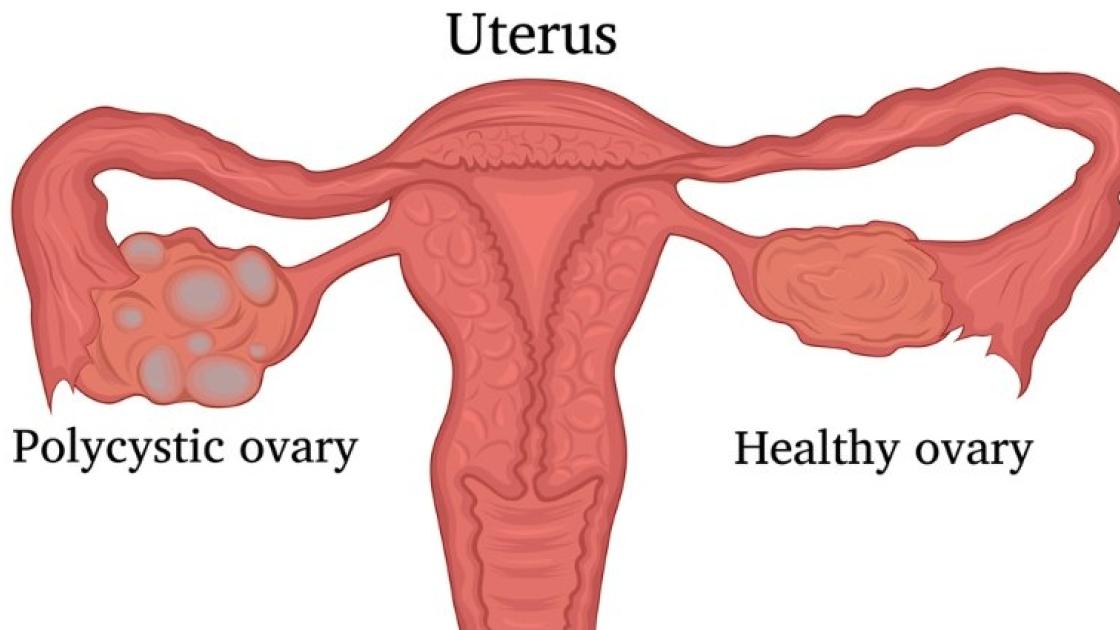
- Defining PCOS: Polycystic ovary syndrome (PCOS) is a hormonal disorder characterized by enlarged ovaries containing small cysts. It affects the reproductive system and disrupts the hormone balance, leading to irregular menstrual cycles and potential symptoms.
- Prevalence and Impact: PCOS affects approximately 1 in 10 women of childbearing age, making it one of the most common hormonal disorders. Beyond the physical symptoms like irregular periods, excessive hair growth, and acne, PCOS can also lead to long-term health complications such as infertility, type 2 diabetes, cardiovascular diseases, and mental health disorders.
Read also: 7 PCOS-Friendly Nigerian Foods You Can Easily Add To Your Diet.
Challenging the Stigma:
- Overcoming Stereotypes: Society often perpetuates stereotypes associated with PCOS, such as labeling affected individuals as lazy, unattractive, or infertile. Challenging these stereotypes and highlighting that PCOS is a medical condition, not a result of personal choices or shortcomings, is crucial.
- Importance of Education: Lack of knowledge about PCOS contributes to the condition’s stigma. Educating the public about PCOS can help debunk myths, foster empathy, and create an environment where those affected feel understood and supported. Informing people about the symptoms, causes, and available treatment options can bridge the gap between misconceptions and reality.
- Encouraging Open Dialogue: Initiating open conversations about PCOS encourages individuals to share their experiences, concerns, and questions. By creating safe spaces for discussions, we can foster support networks, offer guidance, and promote an understanding that PCOS is not an isolated struggle.
Promoting Support and Empathy:
- Healthcare Accessibility: Ensuring access to affordable healthcare and specialized medical professionals is crucial for individuals with PCOS. By advocating for better healthcare policies, we can improve diagnosis rates, provide timely treatment, and enhance the overall management of PCOS.
- Mental Health Support: PCOS can have a profound impact on mental well-being, with increased risks of anxiety, depression, and body image issues. Normalizing discussions around mental health and providing resources for counseling and support groups can help individuals cope with the emotional aspects of PCOS.
- Community and Online Resources: Online platforms and support communities can play a vital role in empowering individuals with PCOS. Establishing reliable online resources, forums, and social media communities can connect people, share information, and provide emotional support, fostering a sense of belonging and empowerment.
Remember, knowledge is power, and empathy is the driving force that can eradicate the stigma surrounding PCOS.
Keywords: PCOS, stigma, polycystic ovary syndrome, hormonal disorder, awareness, stereotypes, education,







Comments 1